Georgia can still be a relatively inexpensive place to eat, but the old idea that “food in Georgia is incredibly cheap” is becoming less useful.
You can pick up khachapuri or lobiani from a bakery for a few lari and then spend GEL 70–100 per person at a good restaurant that same evening. Both are perfectly normal in Georgia today.
So instead of asking how much one khinkali or one khachapuri costs, it makes more sense to ask a simpler question: how much should you actually budget for food each day in Georgia?
The short answer
| Eating style | Realistic daily budget per person |
|---|---|
| Budget | GEL 30–45 |
| Comfortable everyday travel | GEL 55–85 |
| Good restaurants, drinks and fewer compromises | GEL 100–150+ |
These are not fixed prices. Breakfast included with your hotel, alcohol, coffee habits, tourist locations and how often you eat in restaurants can move the total considerably. But for planning a trip, these ranges are much more useful than adding up the prices of dozens of Georgian dishes.
What does GEL 30–45 a day actually buy?
This is a workable budget if you are not expecting to sit down in a tourist restaurant three times a day.
Breakfast might come from a bakery. Lunch could be khinkali, lobio, khachapuri or a simple local meal. Dinner can still be another proper Georgian meal without spending much.
A loaf of traditional tone bread can cost roughly GEL 1.20–1.50, bakery snacks and simple khachapuri around GEL 3–8, while khinkali commonly fall somewhere around GEL 1.50–3 each.
That does not mean surviving on the cheapest food available. It simply means eating the way Georgia makes it easy to eat cheaply: local bakeries, straightforward Georgian dishes and casual places rather than cocktails, speciality coffee and restaurants in the most tourist-heavy streets.
GEL 55–85 is a more realistic everyday travel budget
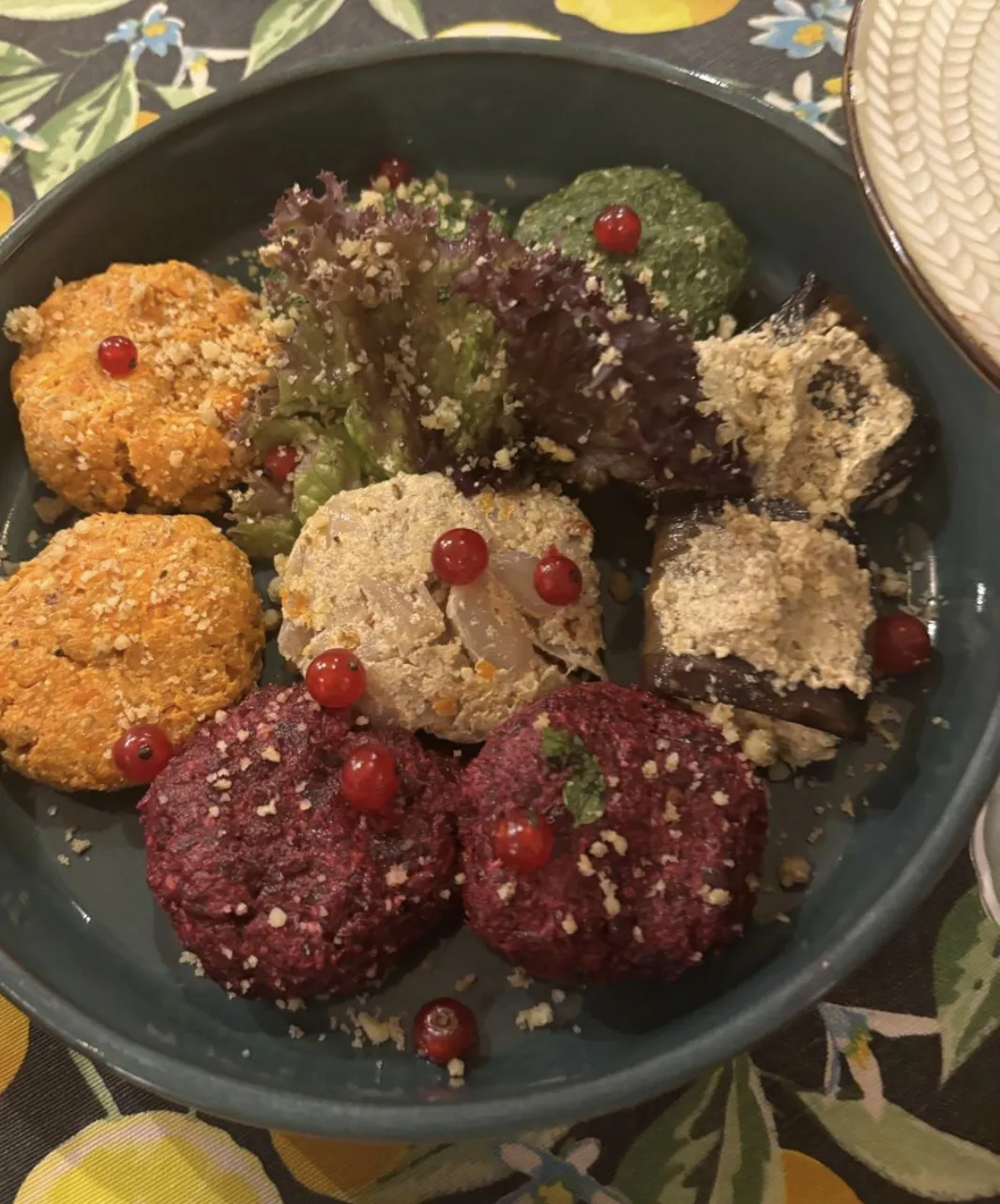
For many visitors, this is the most useful range. You do not have to think about every lari you spend. There is room for coffee, a normal lunch and a proper Georgian dinner in the evening.
A straightforward dinner for two with several dishes and no expensive alcohol can often land around GEL 60–80. For one person, a normal restaurant meal might be around GEL 30–45, depending on what you order.
There is one small catch for solo travellers. Georgian food is particularly well suited to sharing. When two or three people order several dishes for the table, everyone gets more variety without each person needing a separate starter, main course and side.
How do you end up spending GEL 100–150 a day?
Very easily — and without eating exclusively in expensive restaurants.
Coffee in a modern café can cost around GEL 8–12. Beer may be roughly GEL 5–15, and wine can change the price of dinner quickly. Add a good restaurant in the evening, a bottle of wine and another sit-down meal earlier in the day, and a GEL 100 daily food budget stops looking extravagant.
At higher-end restaurants, dinner for two can reach roughly GEL 150–200. The big jump in spending is therefore not really between “eating badly” and “eating well.” It is between simple Georgian food and a restaurant-heavy way of travelling.
Want to make Georgian wine part of the trip?
If food and wine are one of the reasons you are travelling in Georgia, a Kakheti day tour can make more sense than trying to combine wineries, villages and transport independently.
We may earn a commission at no extra cost to you.

Khinkali show why there is no single “Georgia price”
Khinkali are a good example of how much prices can vary. Depending on the restaurant and city, meat khinkali may cost somewhere around GEL 1.50–3 each. Current restaurant menus also show ten khinkali costing noticeably different amounts in Kutaisi and Batumi.
So saying “khinkali cost X in Georgia” is not particularly helpful. The useful information is the range — and understanding that the type and location of the restaurant matter just as much as the dish itself.
A bakery and a restaurant are almost two different price systems
This is probably the easiest way to control your food budget without feeling that you are constantly economising.
A neighbourhood bakery or simple local eatery can provide a filling meal for very little. A restaurant version of a similar dish in a tourist area may cost several times more.
A basic khachapuri or lobiani from a bakery might cost around GEL 3–8, while a restaurant khachapuri can easily move into the high teens or beyond. That does not mean you should avoid restaurants. It means you do not need to make every meal a restaurant meal.

What if you buy groceries?
Groceries can reduce the budget further, particularly for breakfast, fruit, water and snacks.
Typical current prices in Tbilisi put ten eggs at roughly GEL 4–6, potatoes at around GEL 1–2 per kilogram, milk at roughly GEL 4–6, while basic bottled water remains inexpensive. Market prices for cheese, fruit and vegetables vary considerably with season and location.
But if you are visiting Georgia for four or five days, cooking dinner every evening simply to save money probably misses the point. A better compromise is to buy water, fruit, snacks and perhaps some breakfasts yourself, use bakeries and casual places during the day, and spend your money on the Georgian meals that are actually worth sitting down for.
Tbilisi does not have one food price
Where you eat matters. A restaurant around the busiest parts of the Old Town or Meidan can operate on a very different price level from an ordinary place a few streets away.
There is another detail worth checking before ordering: service charges. Some restaurants add around 10–15% to the bill. It is not universal, so look at the menu rather than assuming either way.
A GEL 70 order can therefore become a noticeably larger final bill, especially once drinks are included. This is one reason it is better to budget with a little margin rather than calculating your trip from menu prices alone.
Are Tbilisi, Batumi and Kutaisi very different?
There are differences, but probably not enough to justify maintaining three separate travel budgets.
Current menus show price variation between cities, but there can be just as much variation between two types of restaurant in the same city.
For most travellers, four questions matter more: bakery or restaurant; local neighbourhood or tourist centre; water or alcohol; simple Georgian meal or contemporary restaurant?
Those decisions will usually affect the final bill more than moving from one Georgian city to another.
So how much should you budget for food in Georgia?
If you want to travel comfortably, eat well and not think about every small purchase, GEL 50–80 per person per day is a very practical starting point.
You can spend less. You can also spend twice as much without much effort.
But you do not need a restaurant budget for every meal to enjoy Georgian food properly. For many travellers, the best balance is simple: a bakery or casual meal during the day, a good Georgian dinner in the evening, and some extra room for coffee, wine and service charges.
That keeps Georgia affordable without turning the trip into a hunt for the cheapest possible meal.
Continue planning your Georgia trip