
Driving between cities in Georgia is perfectly realistic for many visitors. On the main intercity roads, trips are usually straightforward, but driving becomes noticeably more demanding on secondary and mountain roads, at night, and in bad weather.
What matters is the road you are actually planning to drive, not a general idea of what roads in Georgia are like. For wider trip planning, see the Georgia travel guide.
Where driving is relatively straightforward
The easiest trips to plan are between major cities on the main intercity roads.
The Tbilisi–Batumi journey is a good example: it is a long intercity drive, but not a difficult mountain route. The main variables are journey length, roadworks and possible delays.
If you are still deciding whether you need a car at all, see what you can realistically do in Georgia without a car.
Where it starts getting more difficult
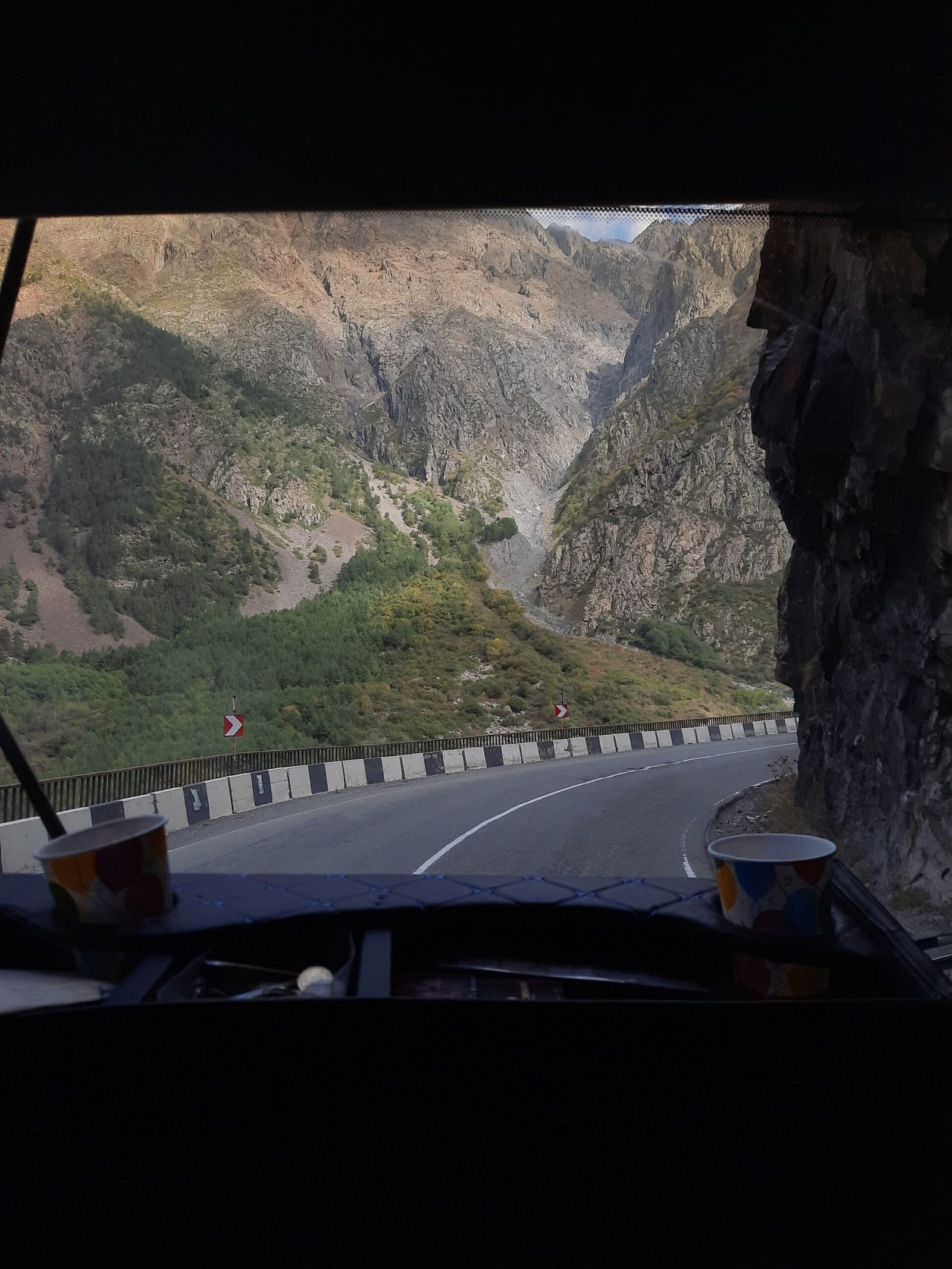
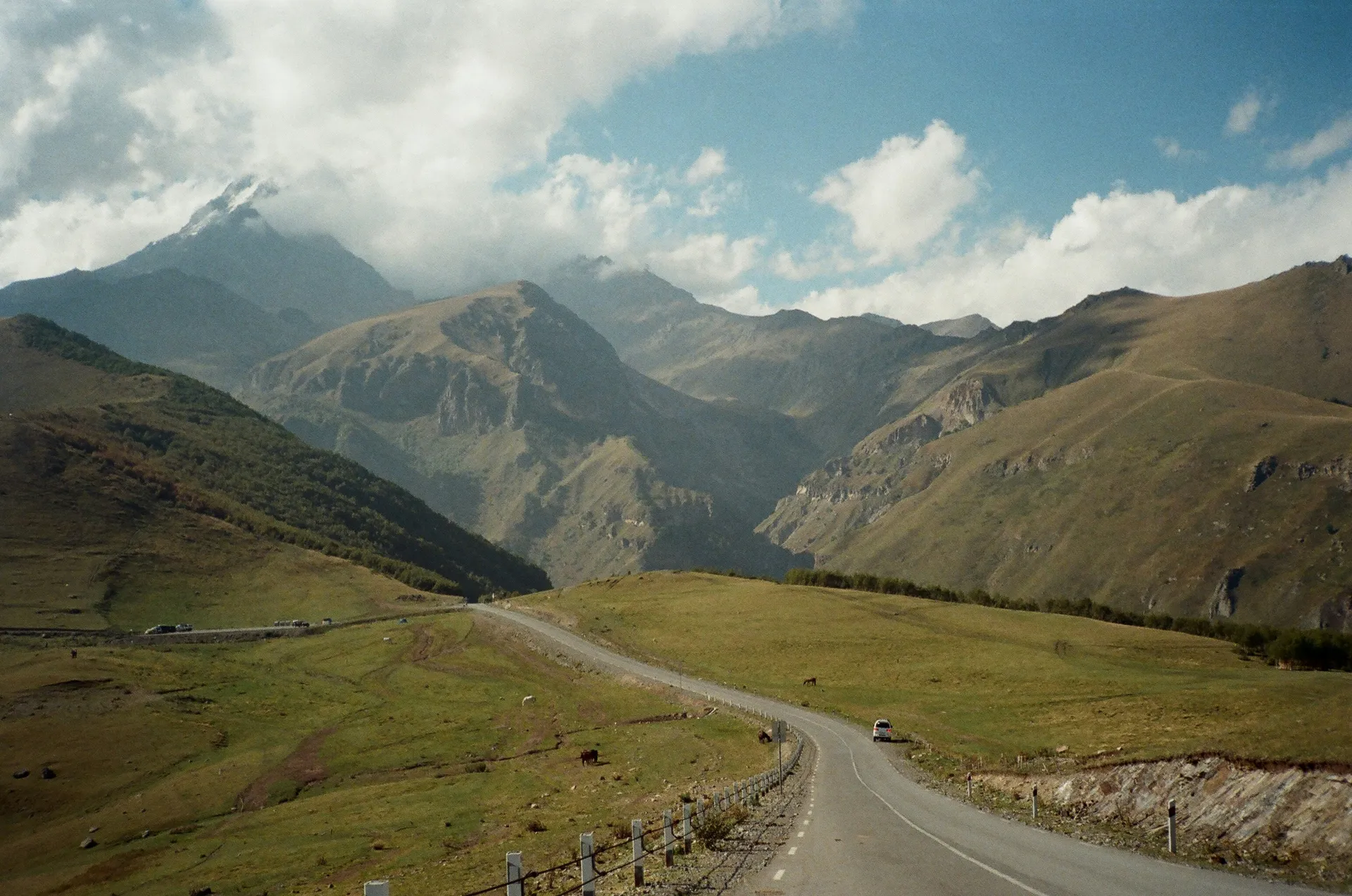
Regional and mountain roads can feel quite different.
For example, the road over Gombori Pass toward Telavi is not an extreme route, but the bends, climbs and winding road require more attention and reduce average speed.
In the mountains, weather adds another variable. The same road can require a very different approach in summer and winter.
What most often makes a drive harder
Road surfaces are not consistent everywhere. Secondary roads may have potholes or rougher sections, so it is sensible to allow extra time.
Lighting can be limited outside towns and cities. After dark, bends, uneven surfaces and obstacles are harder to see.
Some drivers may manoeuvre less predictably than you are used to, so leaving more space and avoiding assumptions about what other road users will do is useful.
Animals can also appear on some rural and intercity roads.
Even major intercity roads are occasionally affected by roadworks, lane or tunnel closures and temporary diversions.
Why night and bad weather change the picture
At night, several factors combine: limited lighting, an unfamiliar road, less visible obstacles and animals. On a major intercity road this may simply make the drive less comfortable; on a secondary or mountain road it can make it significantly more demanding.
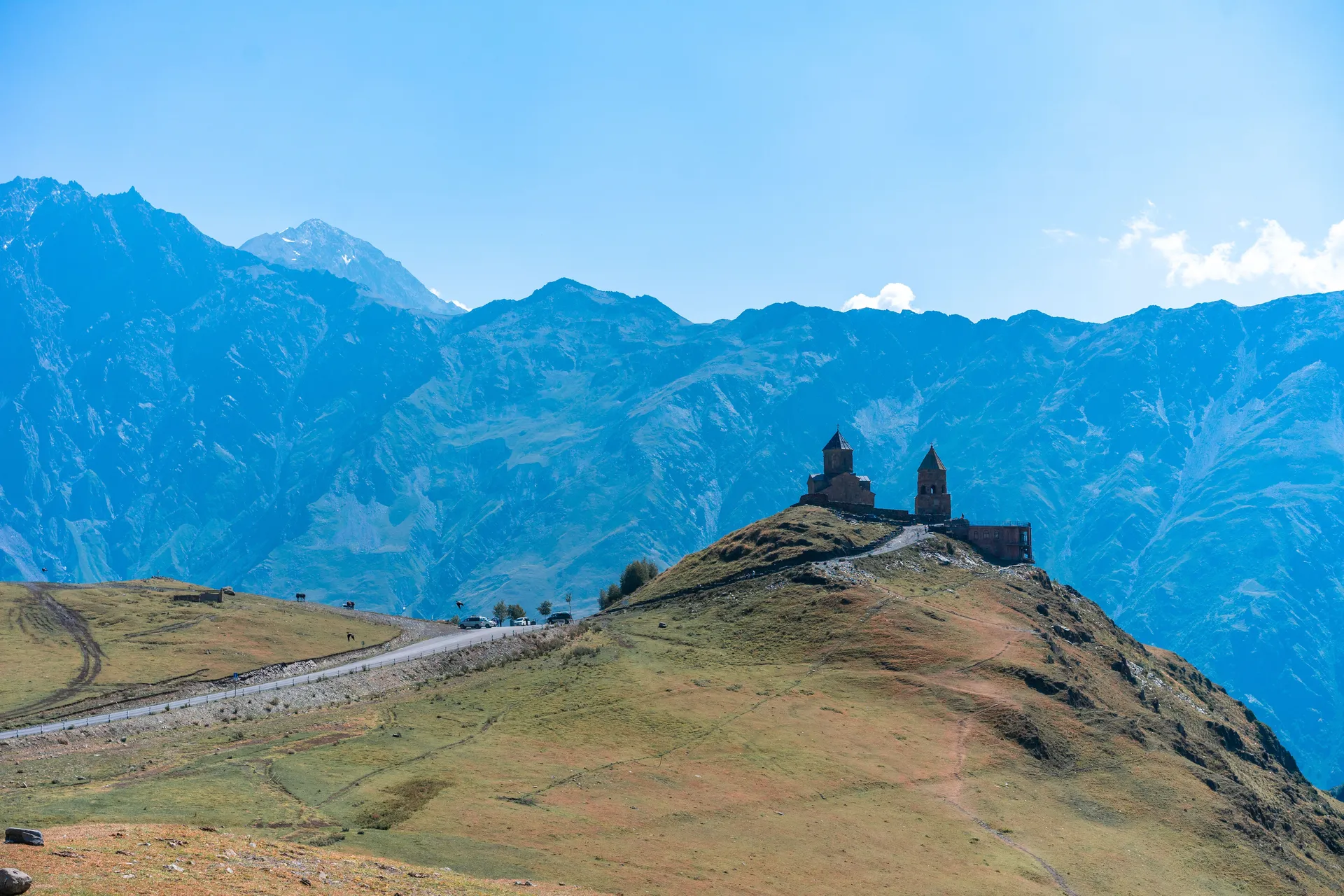
In the mountains, weather can affect not only driving conditions but whether a road is open at all. Snow, ice, blizzards, avalanche risk and landslides can lead to temporary restrictions on individual high-altitude sections.
For example, the section between Gudauri and Kobi can be restricted or temporarily closed during difficult snow or avalanche conditions.
At Paravani Pass, movement on individual sections can also be stopped during blizzards and poor visibility.
That does not mean Georgia’s road network closes in winter. What matters is the condition of the specific road you plan to use.
How to plan driving time
Treat the time shown by your navigation app as a baseline.
Roadworks, diversions, weather or a slow mountain section can all add time. This matters especially when an otherwise straightforward drive finishes with a winding or high-altitude section.
Allow some margin, and before a more difficult journey check the current condition of the road shortly before departure.
Conclusion
For a confident driver, normal intercity travel on Georgia’s main intercity roads is entirely realistic.
Secondary and mountain roads, driving after dark and poor weather require more preparation. When several of those factors overlap, check the specific route before leaving and allow extra time.
More Georgia Transport Guides
Choose the transport option that fits the route, timing and level of flexibility you need.
See what works by train, bus and marshrutka before deciding whether you need to drive.
Compare flexibility, cost and control before choosing who takes the wheel.
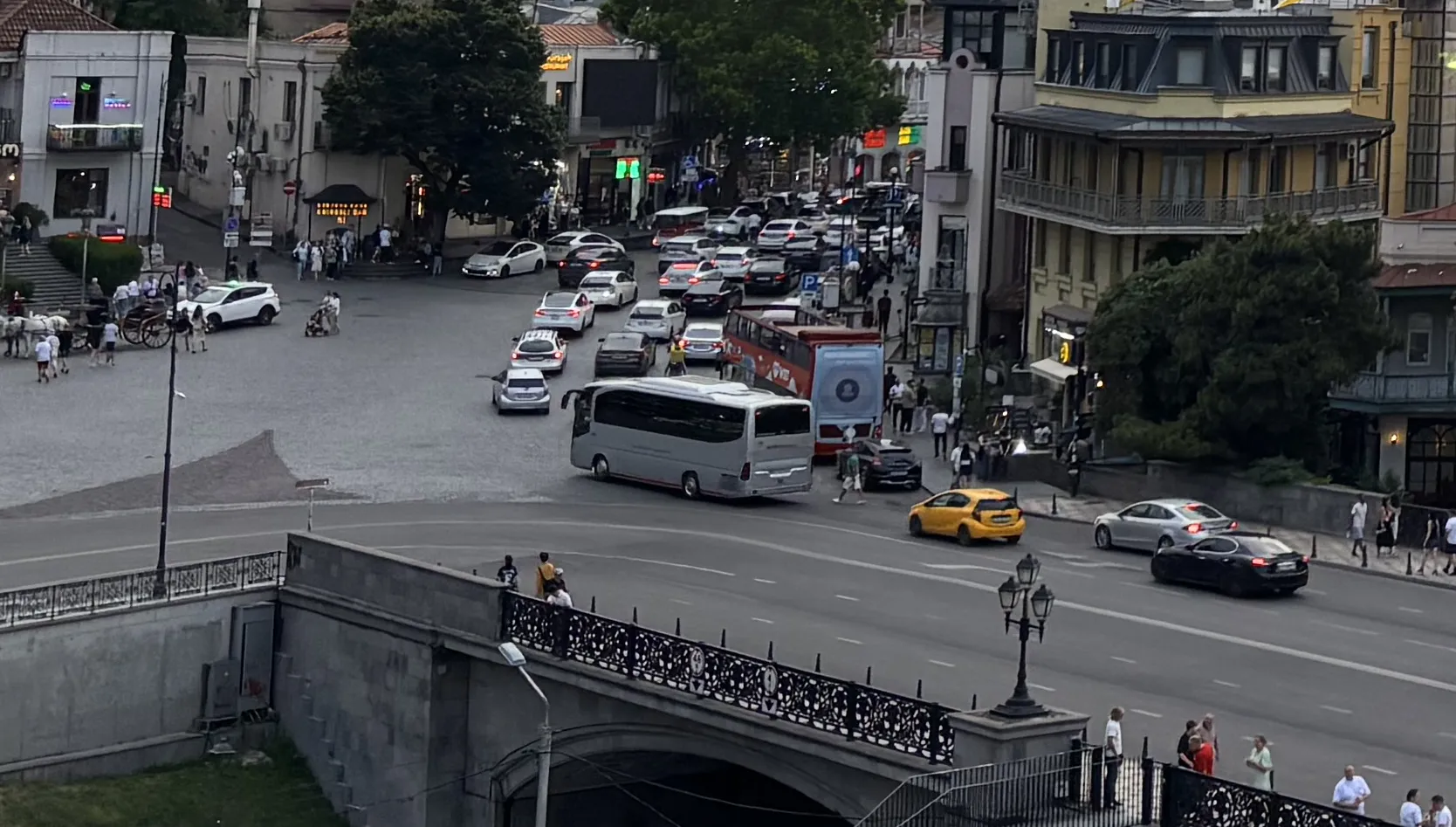
Learn where they leave from, how payment works and what to expect on intercity trips.